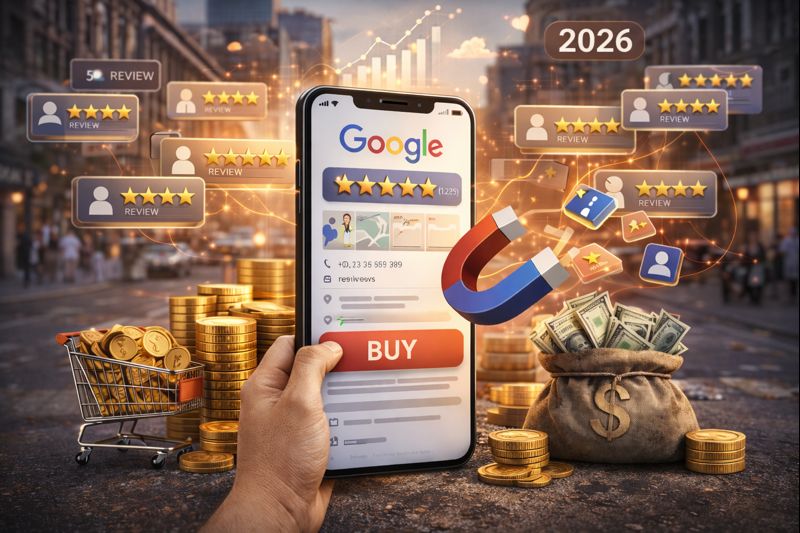
Risks, Rules, and Smarter Alternatives for Sustainable Growth
Introduction
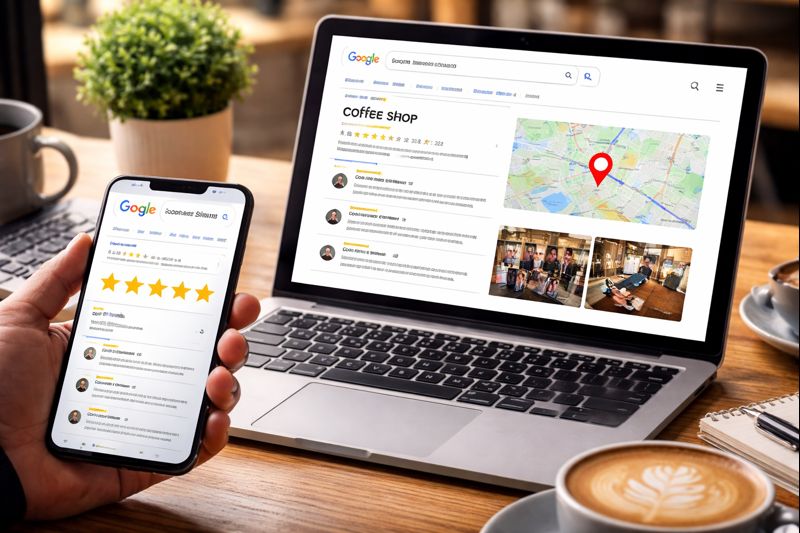
The demand to buy Google reviews has increased sharply as online reputation becomes a decisive factor in customer acquisition and local search visibility. For many businesses, Google reviews directly influence credibility, click-through rates, and conversion decisions—often before a user even visits a website.
However, the practice of purchasing reviews remains controversial. Business owners frequently ask whether paid Google reviews are safe, legal, or effective—and whether the risks outweigh the benefits. This guide provides a clear, evidence-based explanation of buying Google reviews in 2026, including how Google evaluates reviews, what policies apply, and which strategies offer safer long-term results.
This article is written to support informed decision-making, not shortcuts.
What Does “Buying Google Reviews” Actually Mean?
Buying Google reviews typically refers to paying a third party to generate positive reviews on a Google Business Profile. These reviews may be:
- Written by non-customers
- Posted from aged or automated accounts
- Distributed in bulk within short timeframes
While some services claim to provide “real” or “verified” reviewers, Google’s definition of authenticity is strict: reviews must reflect a genuine customer experience without incentives.
Why Businesses Consider Buying Google Reviews
Businesses are driven toward paid reviews due to competitive pressure and visibility challenges:
- Local SEO competition – Review count and sentiment influence Google Maps rankings
- Trust signaling – Consumers heavily rely on review volume and rating averages
- Conversion impact – Listings with strong reviews outperform competitors
- Slow organic acquisition – Customers rarely leave reviews without prompting
These pressures create demand—but not all solutions are equal.
Google’s Official Policy on Paid Reviews
Google explicitly prohibits:
- Incentivized reviews
- Reviews written by employees or vendors
- Bulk review generation
- Misrepresentation of customer experience
Violations may result in:
- Review removal
- Profile suspension
- Loss of local ranking visibility
Importantly, Google does not require manual reporting to act. Its systems now rely heavily on AI-based behavior analysis.
How Google Detects Fake or Paid Reviews
Google evaluates review legitimacy using:
- Reviewer account history
- IP and device patterns
- Posting velocity
- Language duplication
- Geographic mismatch
- Engagement authenticity
In 2026, Google’s AI systems cross-reference review data with user behavior, location signals, and business interaction data—making mass review manipulation increasingly detectable.
Risks of Buying Google Reviews
While short-term rating inflation may occur, risks include:
- Permanent review deletion
- Loss of consumer trust
- Brand credibility damage
- Local SEO penalties
Once a profile is flagged, recovery is difficult.
Are There Any “Safe” Google Review Services?
No service can guarantee safety if reviews are not genuinely earned. Claims such as:
- “100% safe Google reviews”
- “Undetectable reviews”
- “Aged reviewer accounts”
should be treated with caution. These claims conflict with how Google evaluates authenticity.
Smarter Alternatives to Buying Google Reviews
Rather than purchasing reviews, high-performing brands use review acquisition systems, including:
- Automated review request workflows
- Post-purchase email or SMS prompts
- QR-based in-store requests
- Reputation management platforms
These methods generate real, policy-compliant reviews that improve rankings sustainably.
Impact of Real Google Reviews on Local SEO
Authentic reviews influence:
- Google Maps pack placement
- Keyword relevance
- Trust and engagement metrics
- Click-through and call actions
Quality outweighs quantity over time.
People Also Asks (FAQs)
- Is buying Google reviews safe?
No. Paid reviews violate Google policy and carry ranking and suspension risk. - Can Google detect fake reviews?
Yes. Google uses AI-driven detection systems that identify unnatural review patterns. - What happens if Google removes reviews?
Lost reviews reduce trust, rankings, and credibility—often permanently. - Are there legal risks?
In some jurisdictions, deceptive reviews may violate consumer protection laws. - What is the best alternative?
Structured, ethical review acquisition using real customer feedback.
Final Recommendation
Buying Google reviews may appear tempting, but it introduces significant operational and reputational risk. Businesses seeking long-term growth should invest in compliant reputation strategies at Reputation Manage Online that align with Google’s evolving trust systems.
For brands focused on sustainable visibility, authentic reviews are no longer optional—they are foundational.




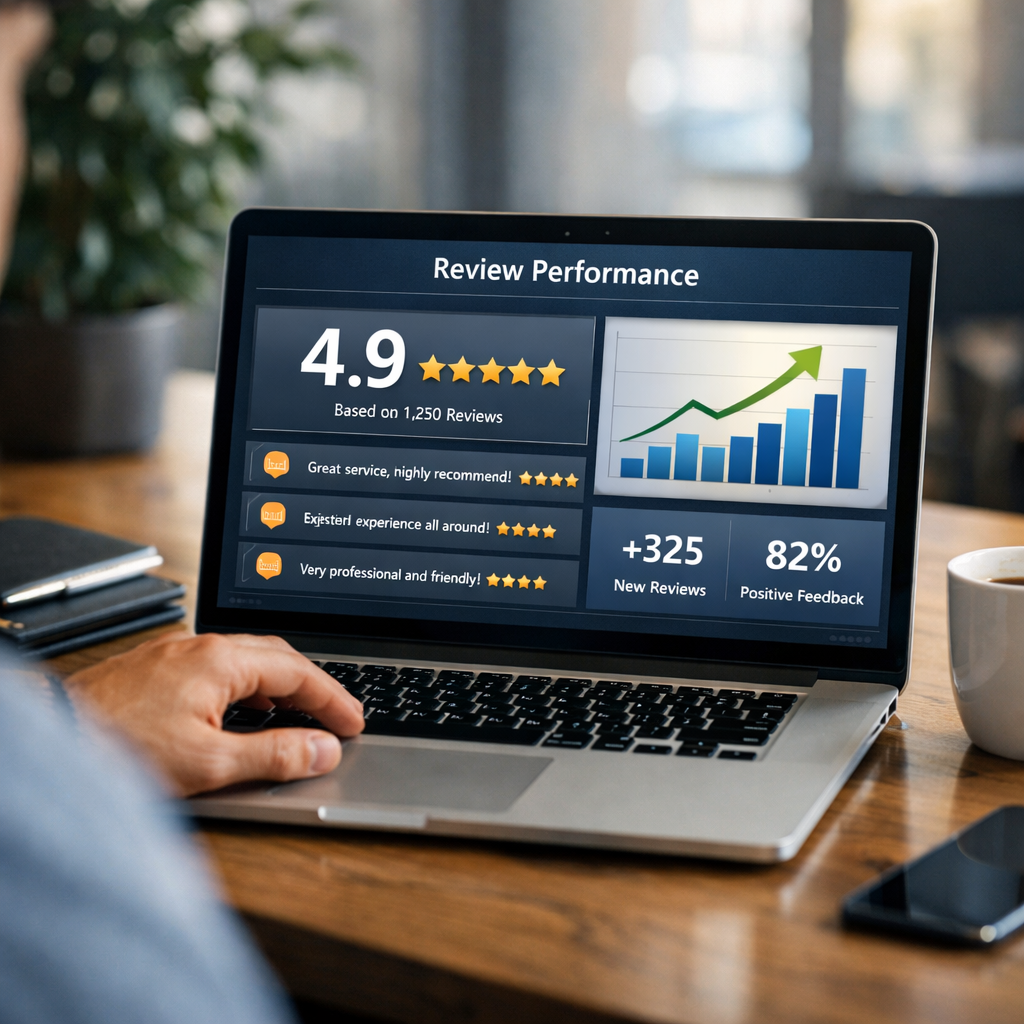 How to Increase Google Reviews Fast in 2026 (Ethical & Proven Strategy)
 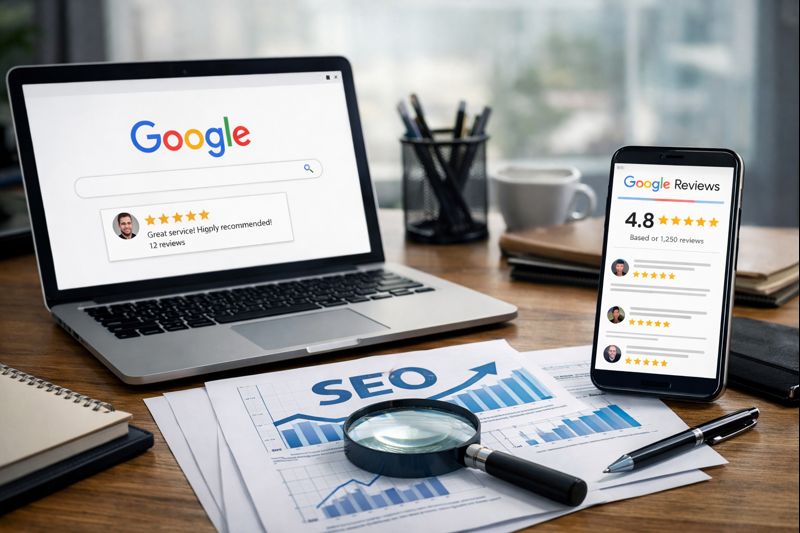 Are Google Reviews a Ranking Factor?
  How Google Reviews Impact Local SEO Rankings in 2026 (Complete Guide)